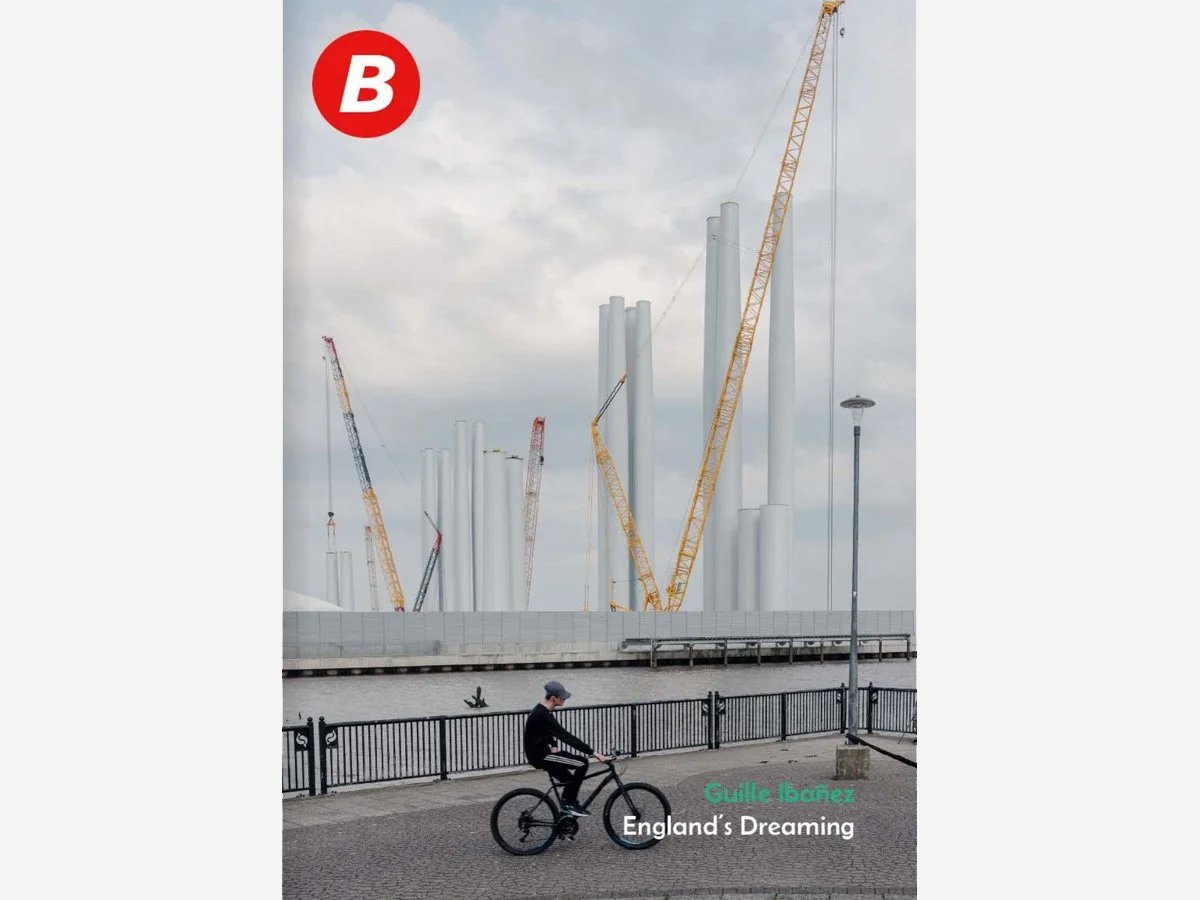
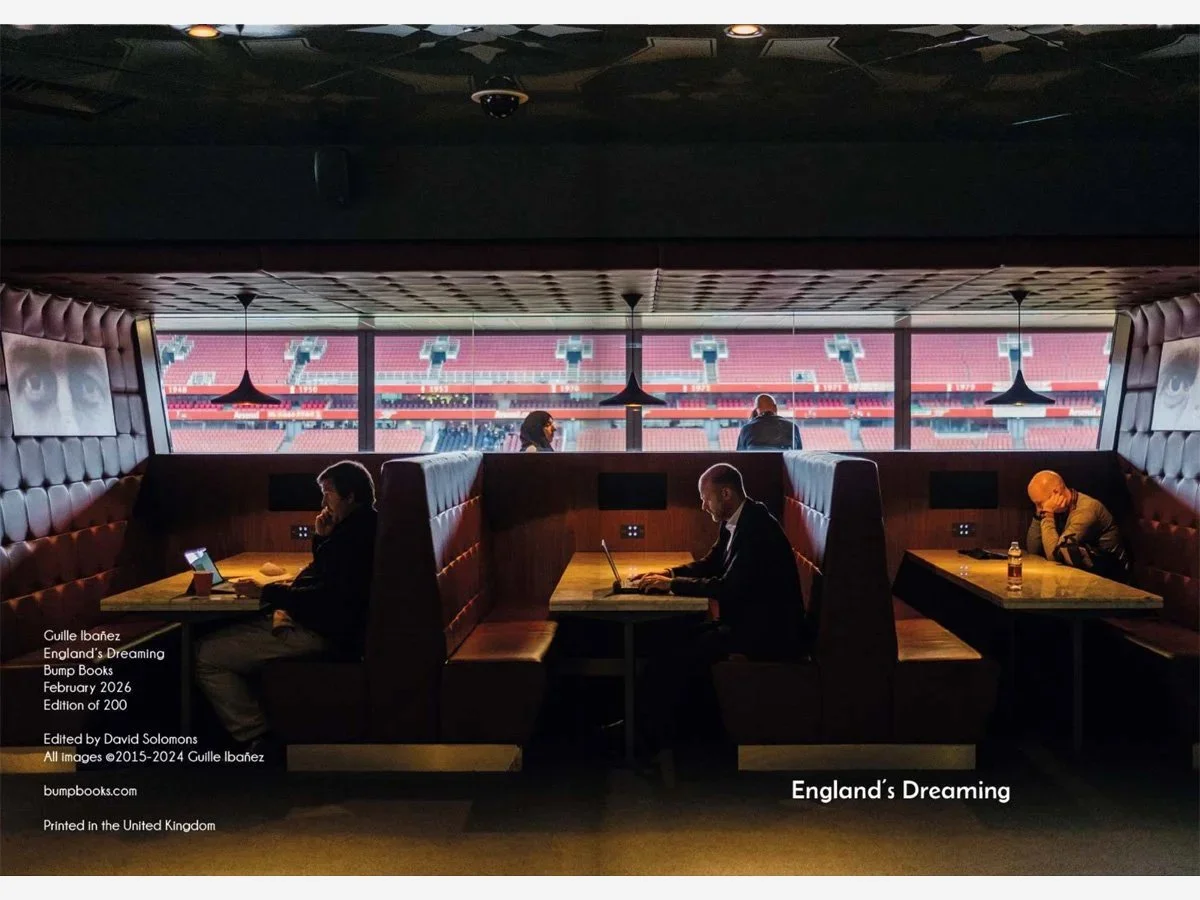
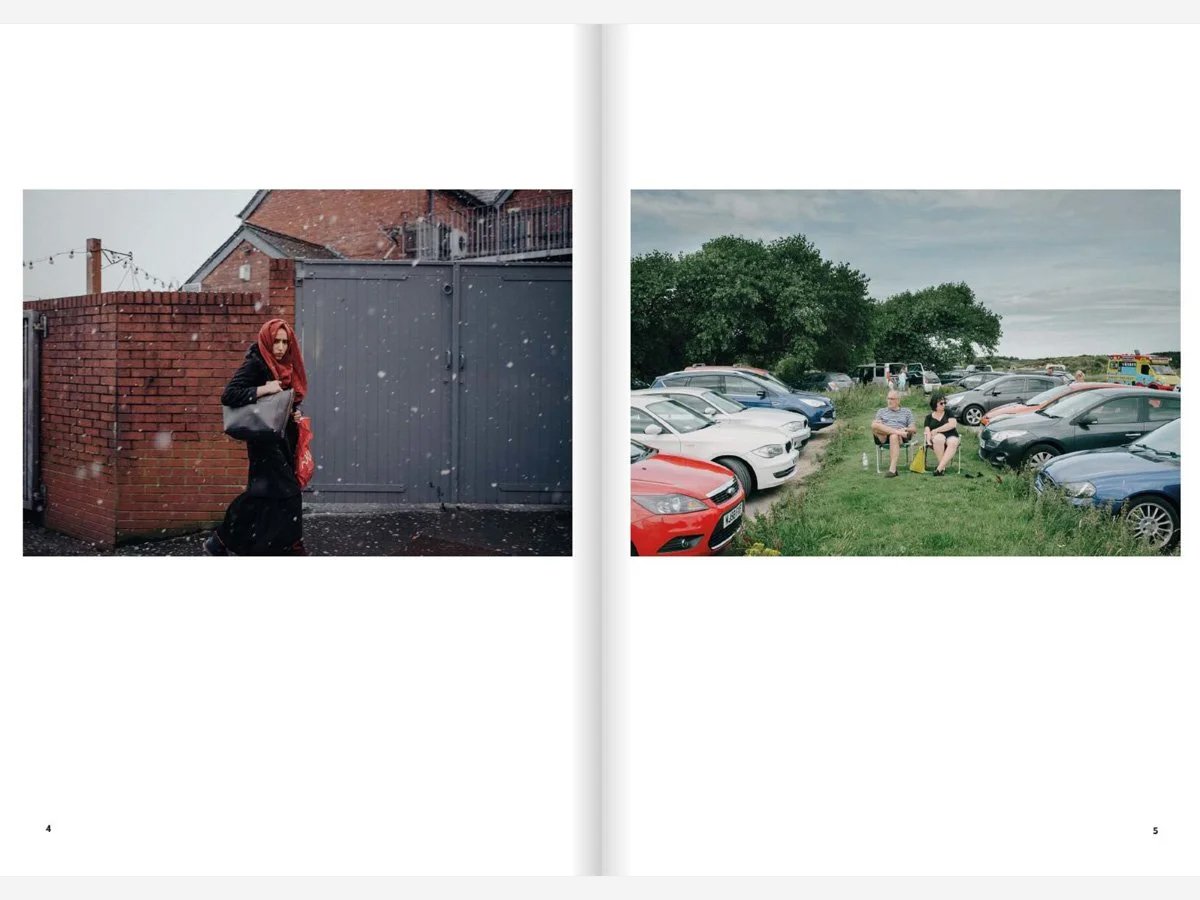
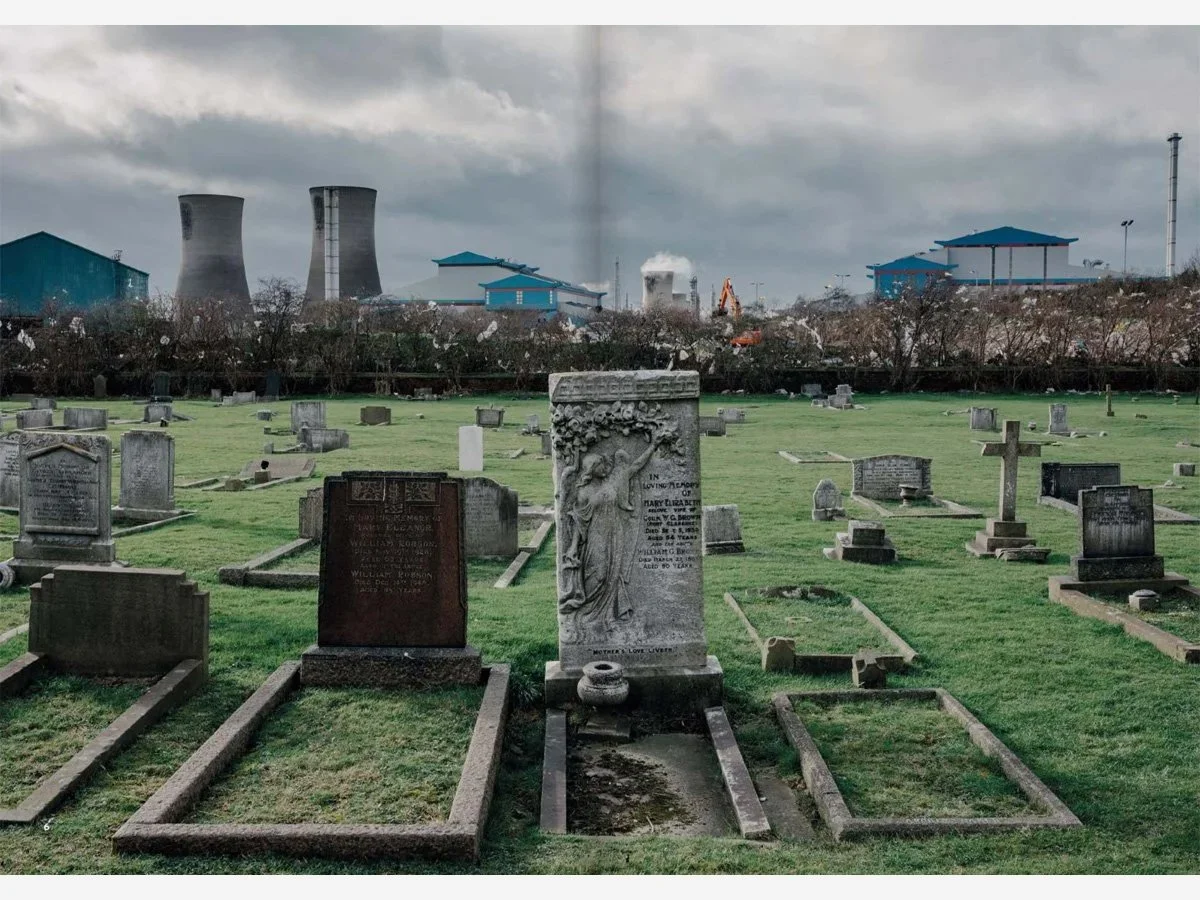
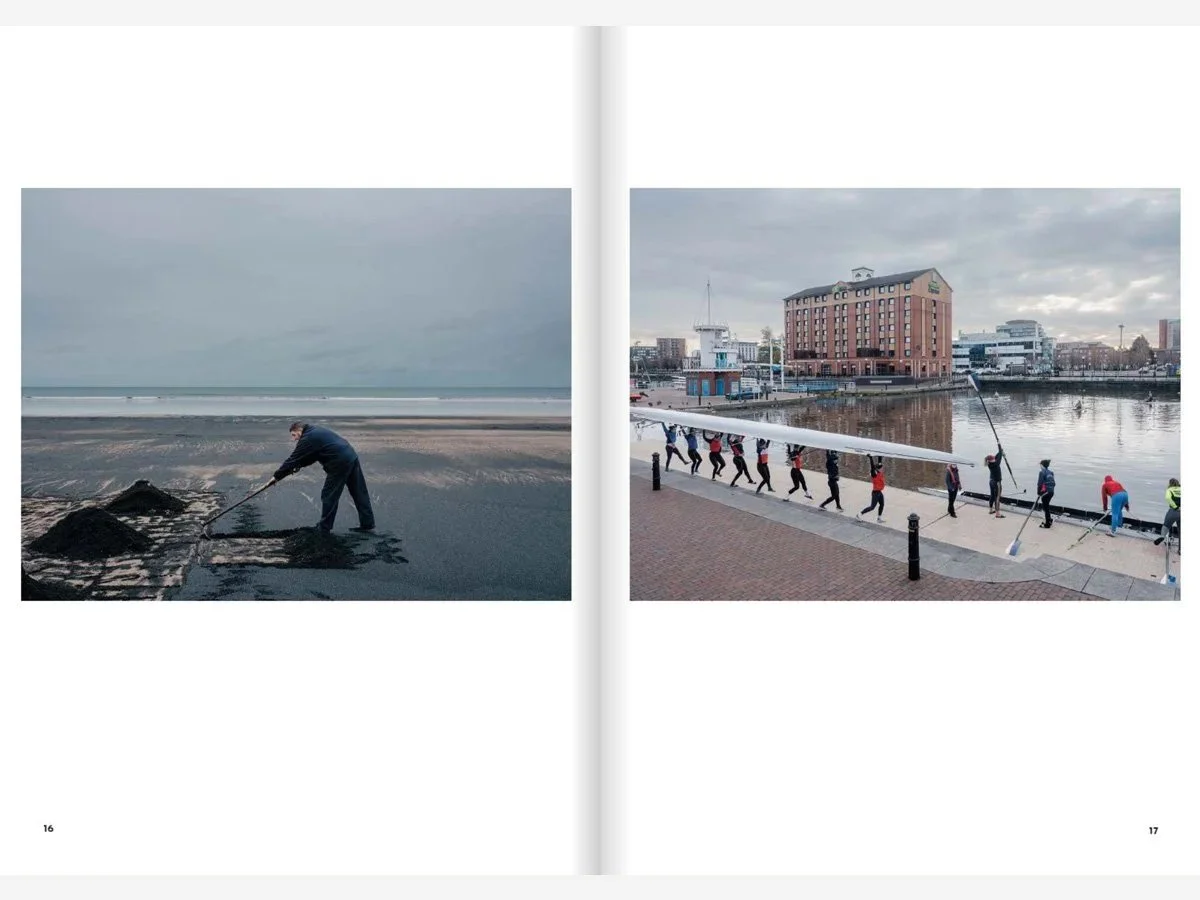
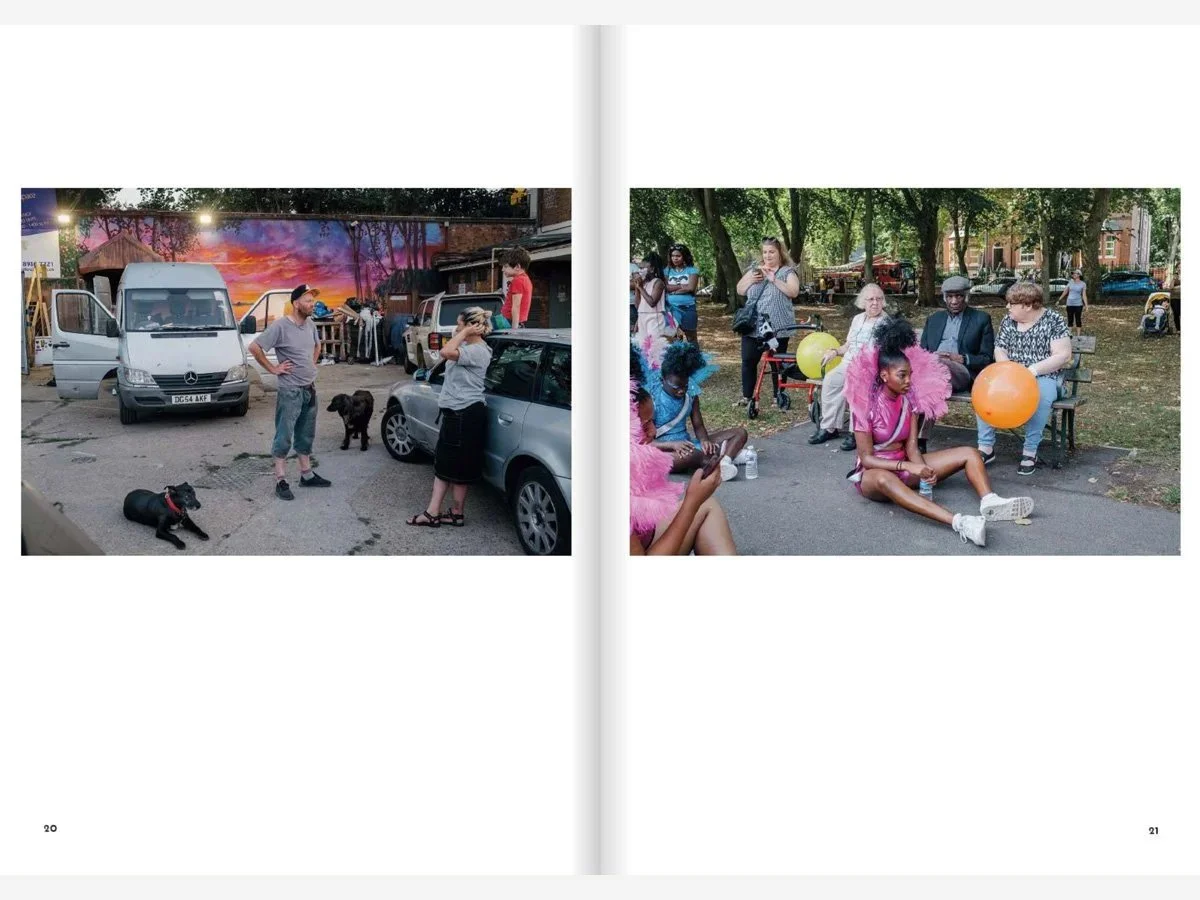
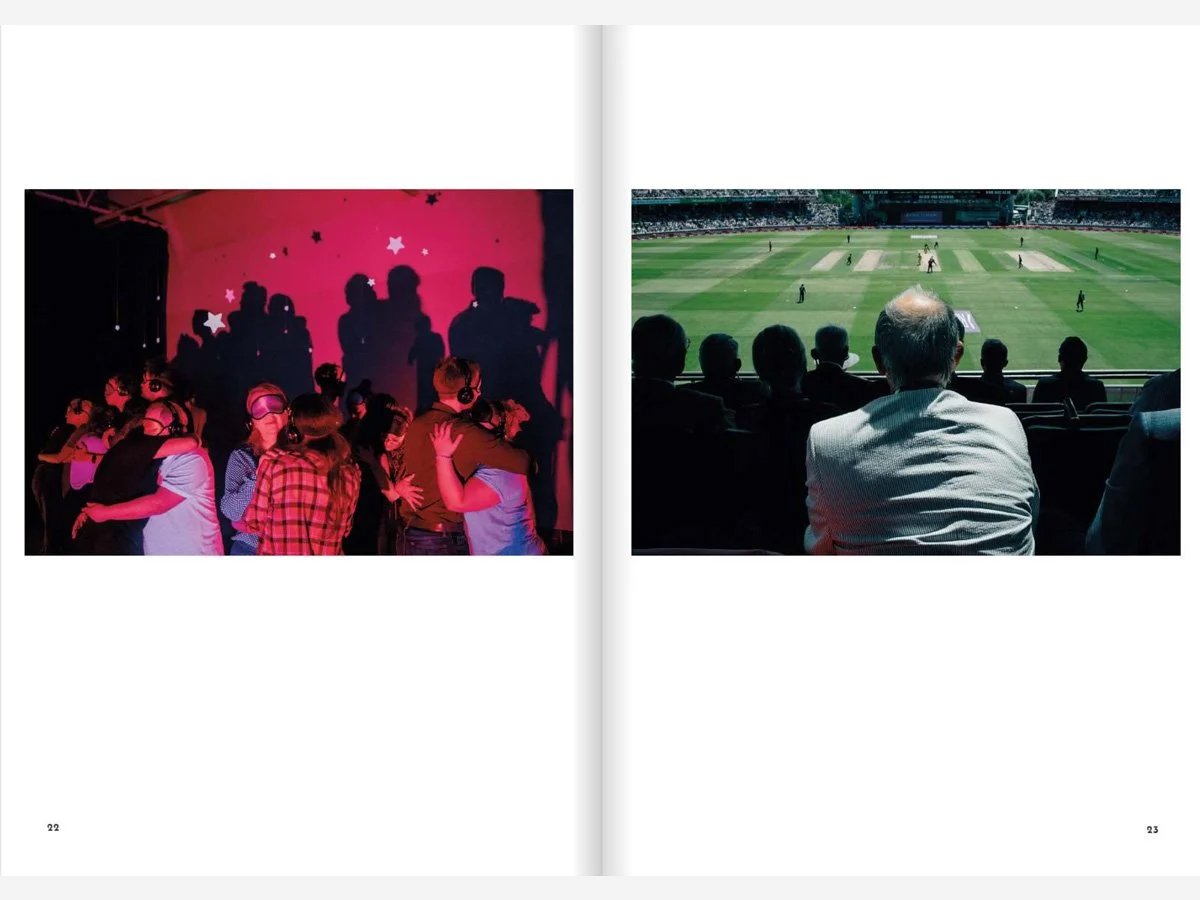
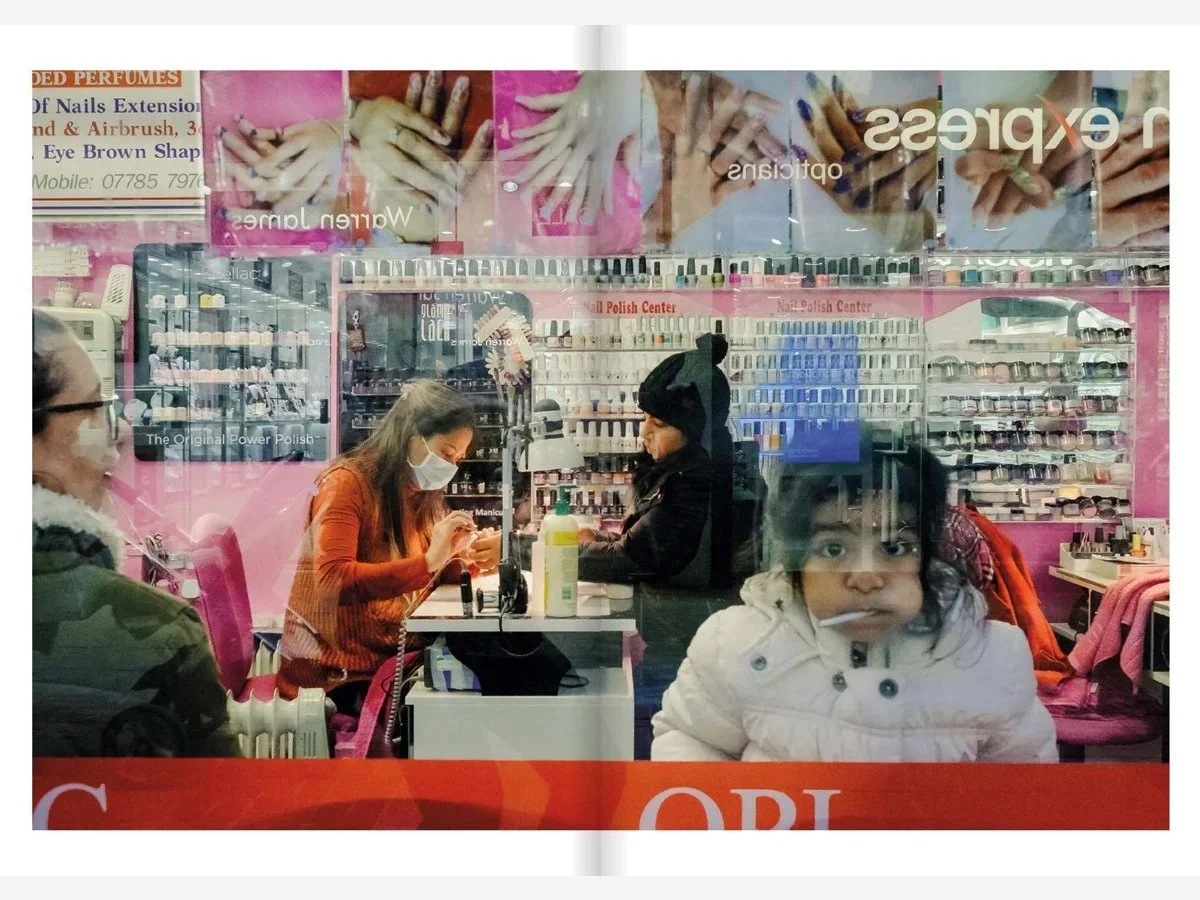
England's Dreaming // Bump Books

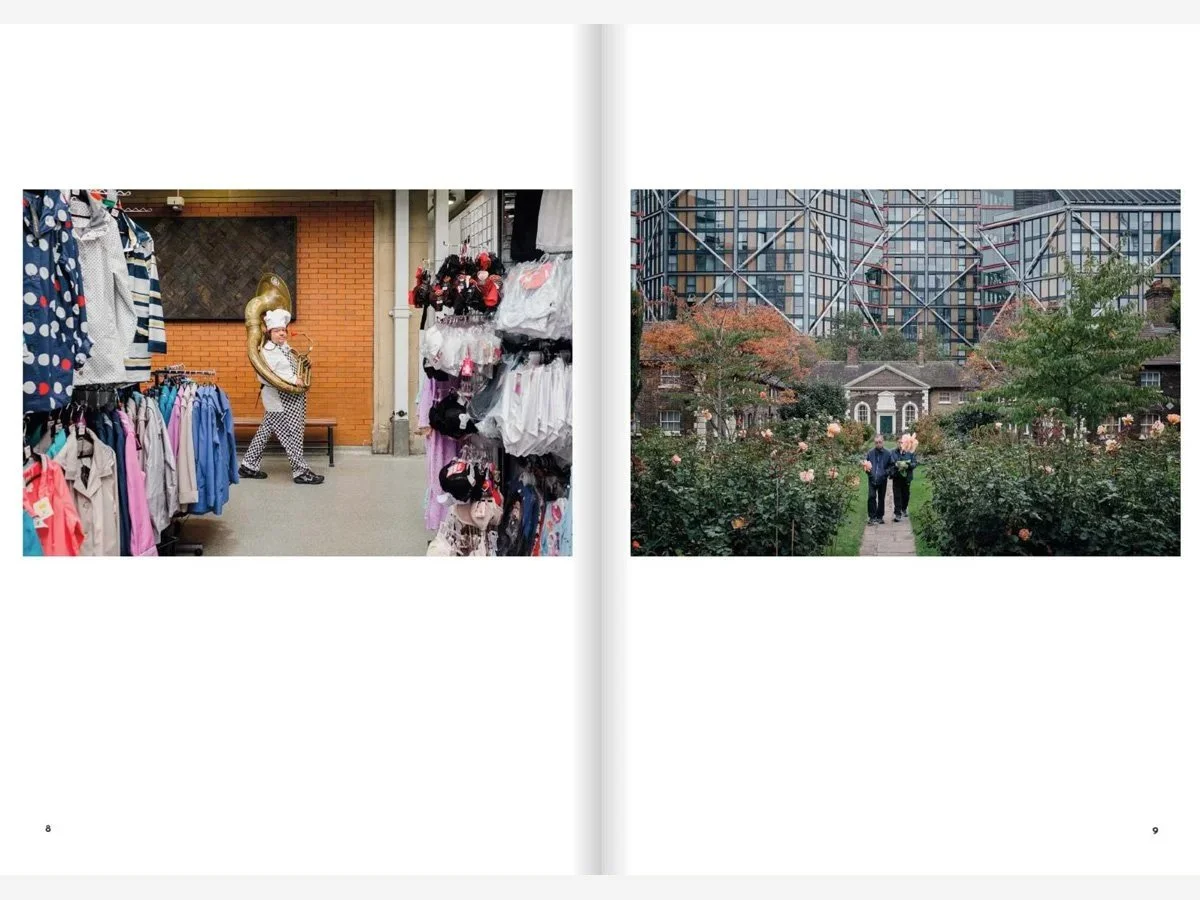
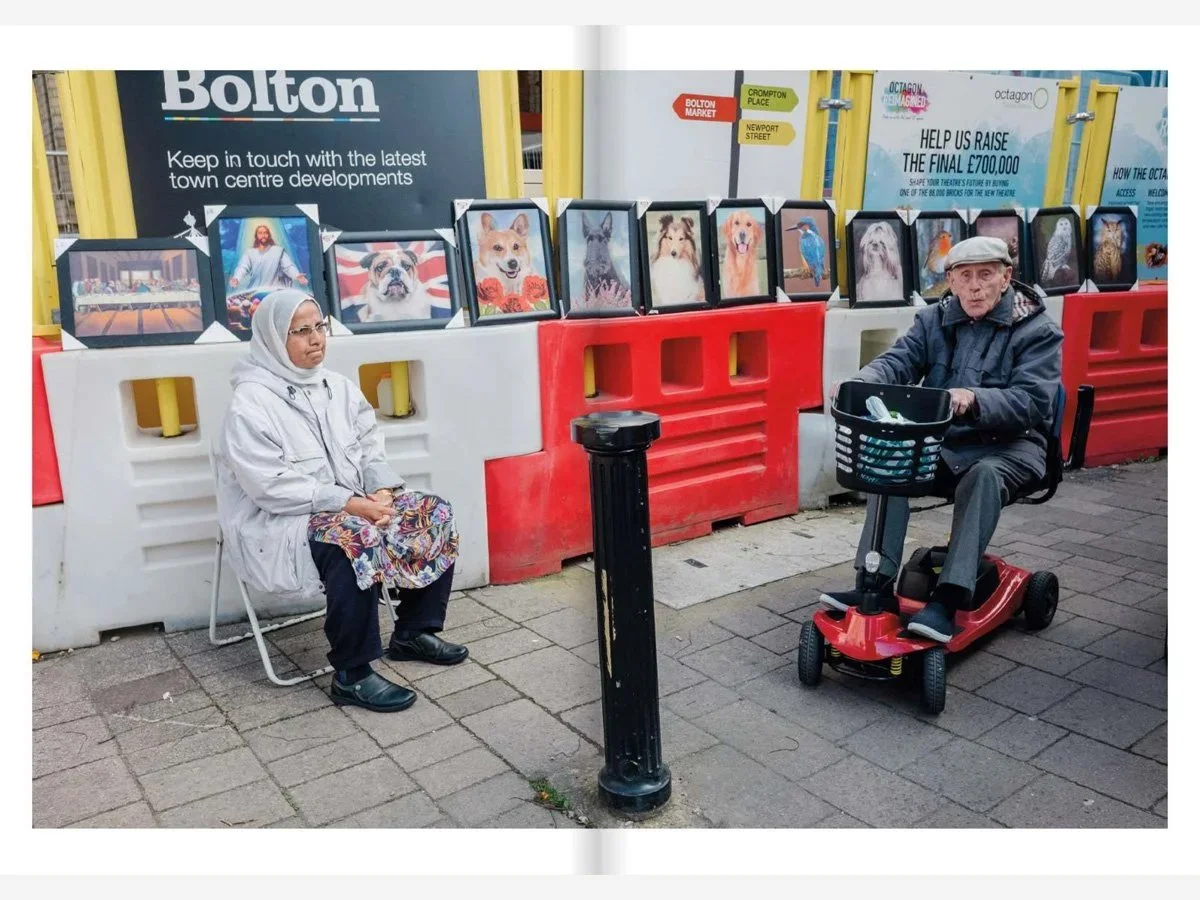
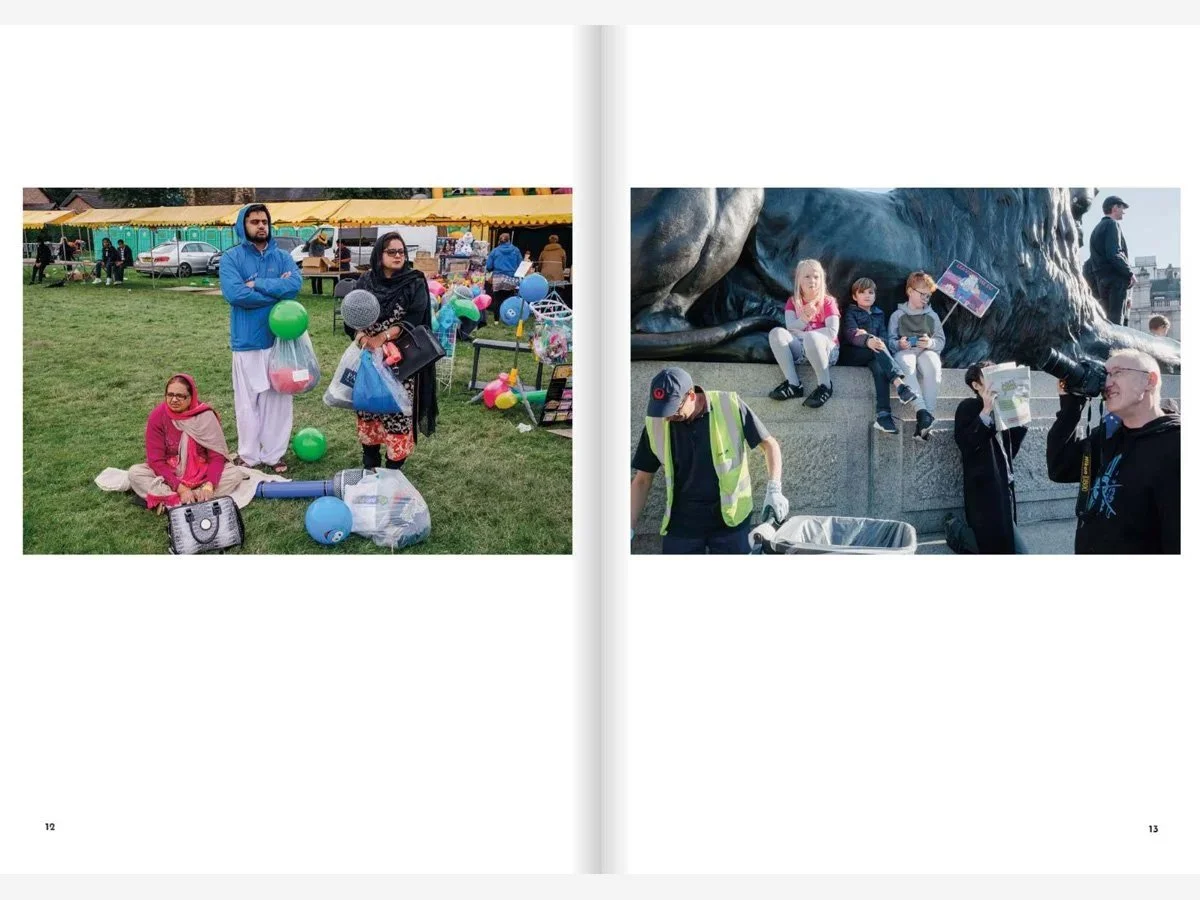
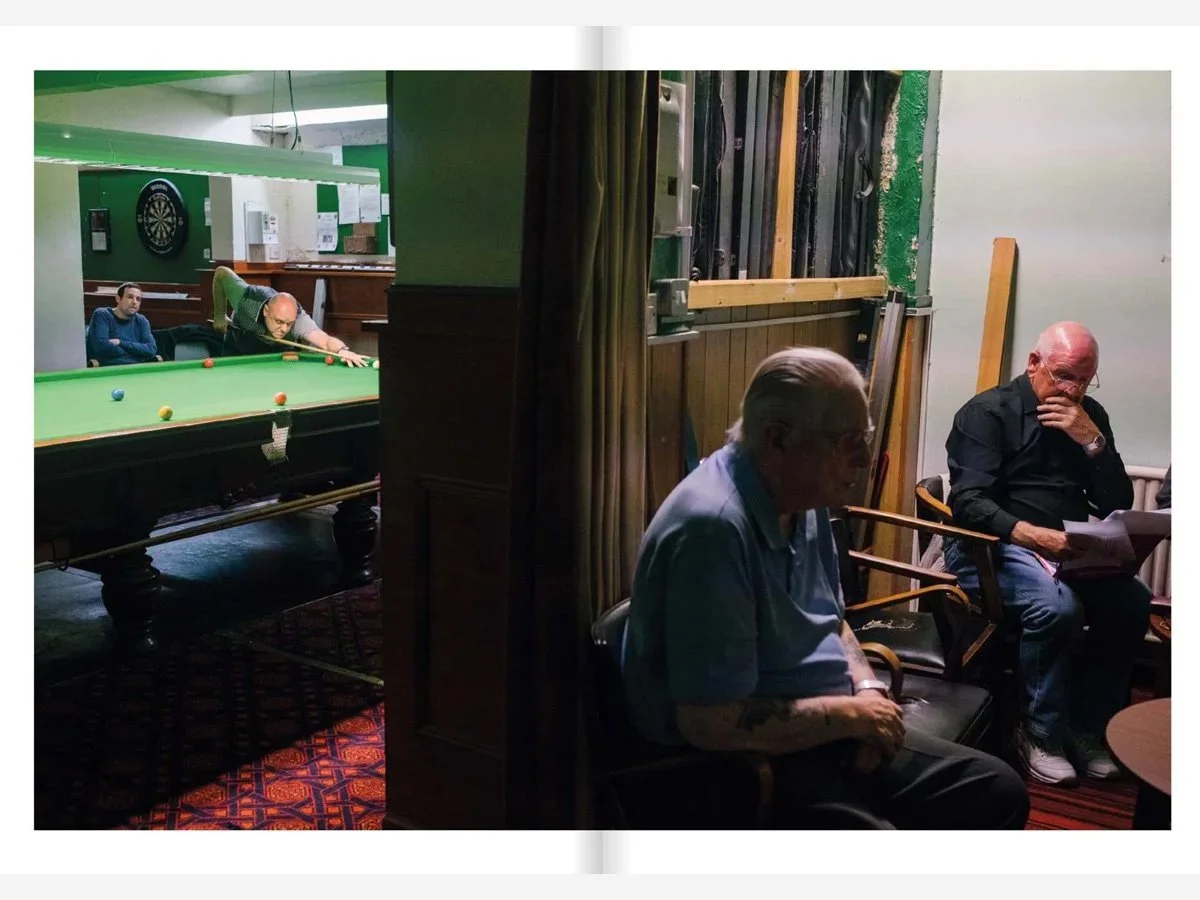
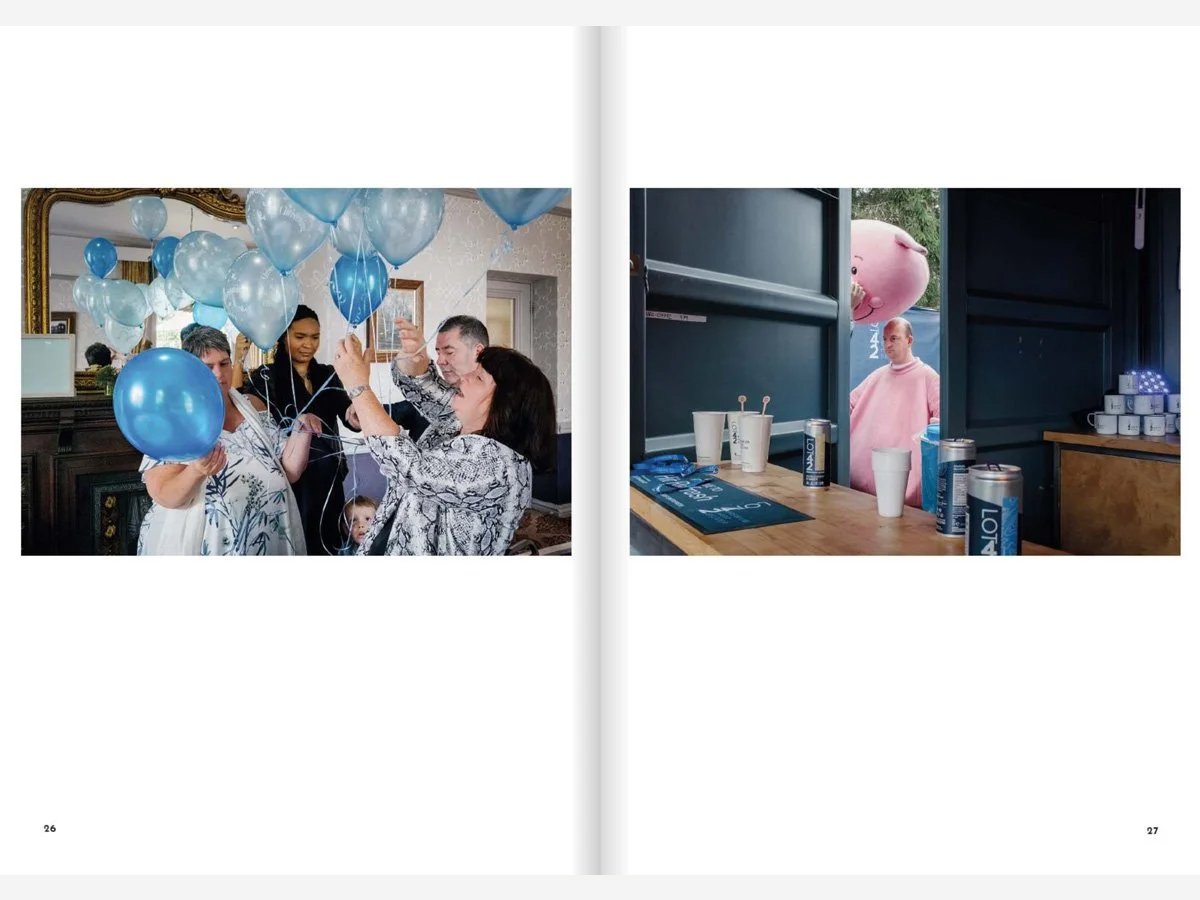
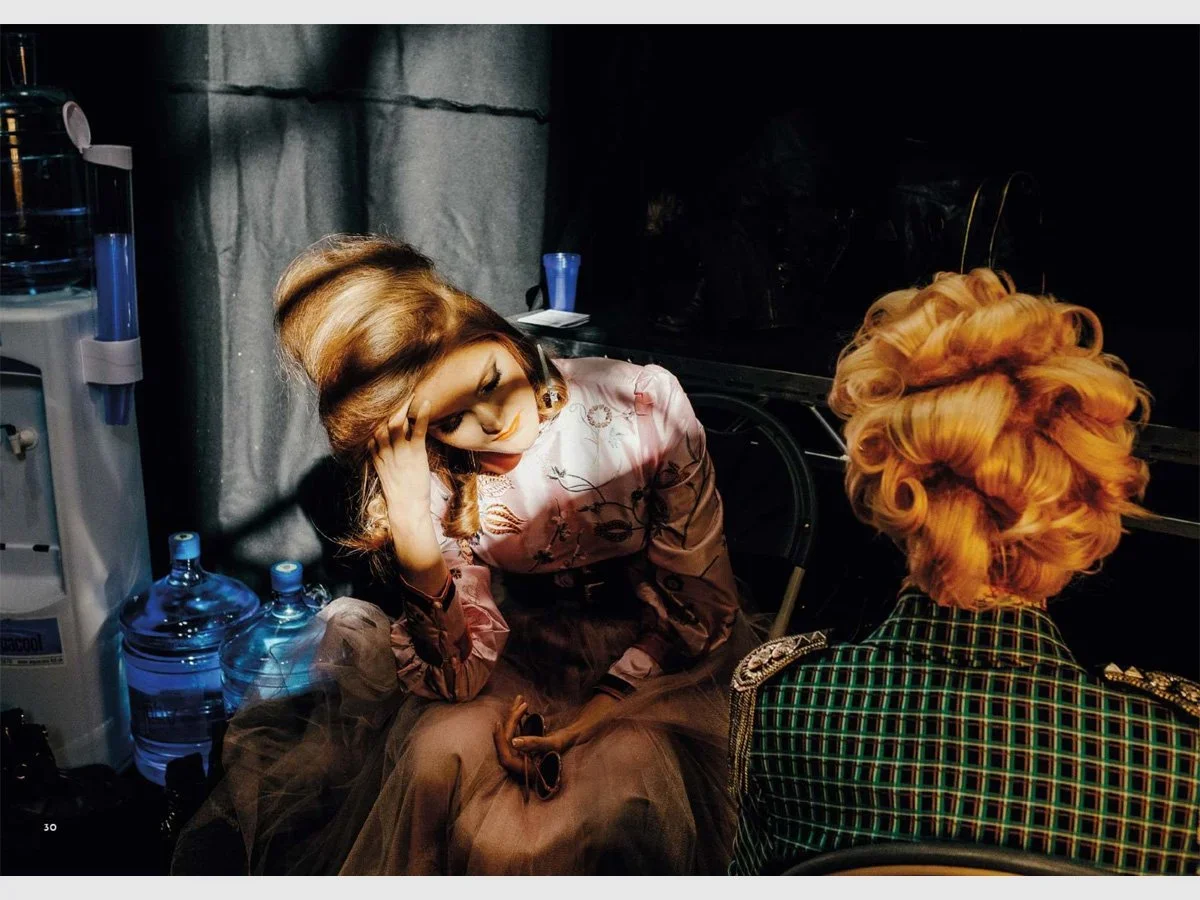
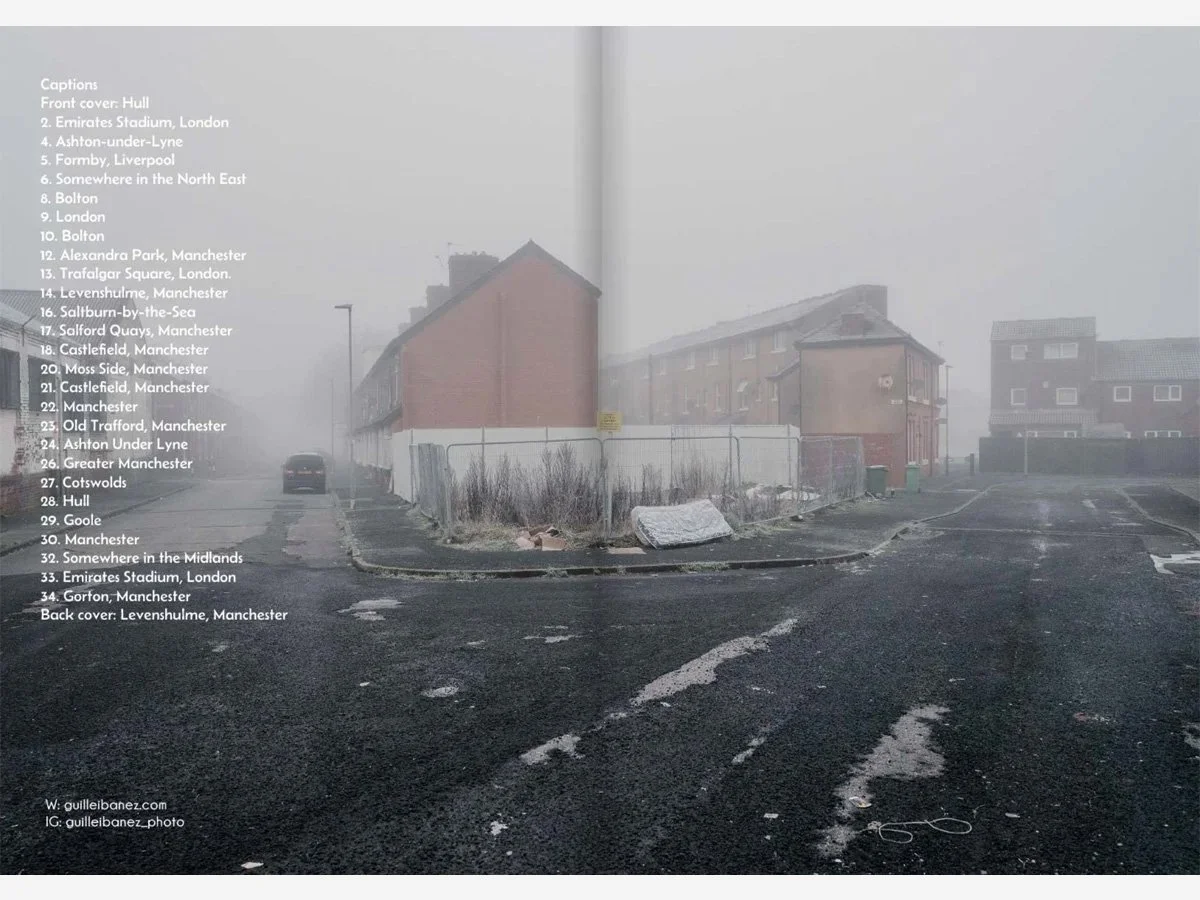
In early 2025, David Solomons—the founder of Bump Books—approached me about a potential collaboration. I was thrilled to contribute to their renowned series of street photography zines, having long admired the diverse range of photographers in the Bump Books collection.

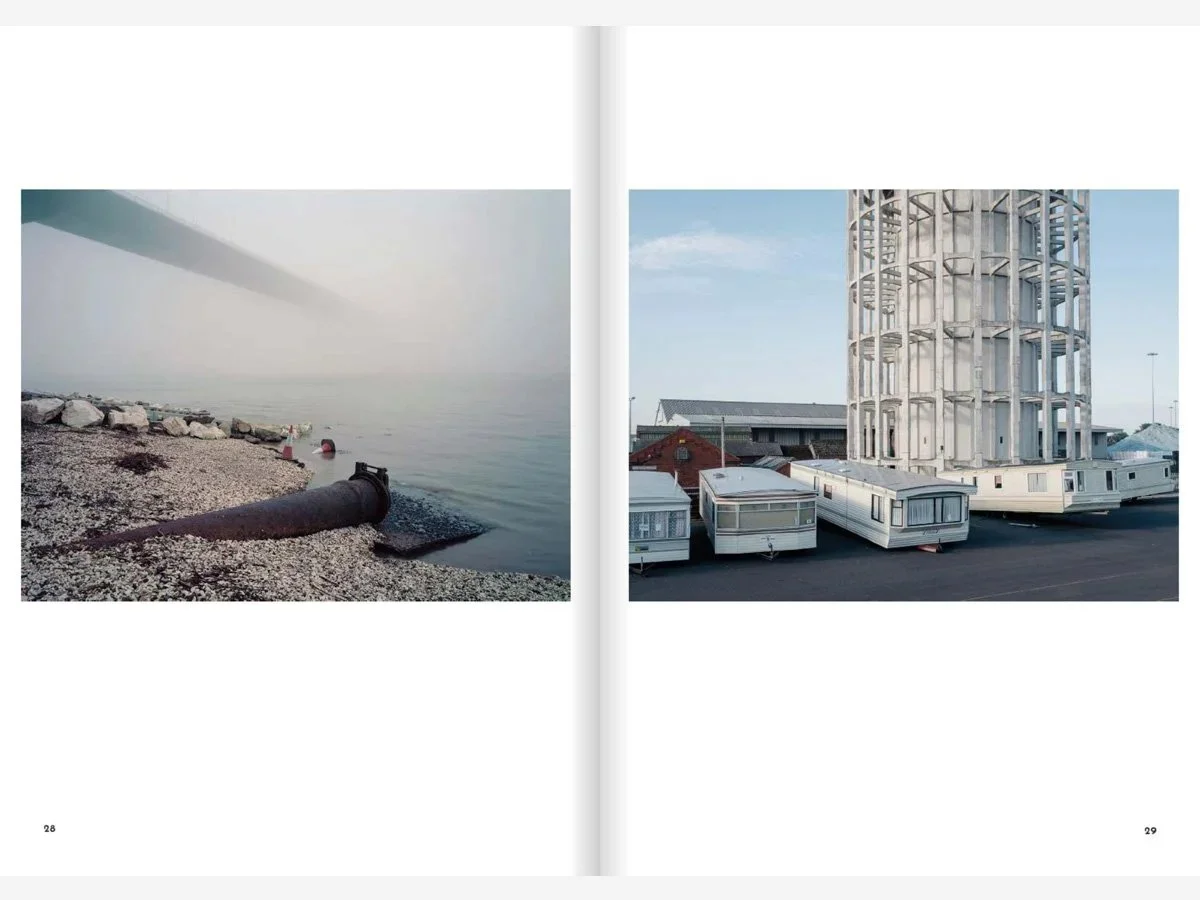
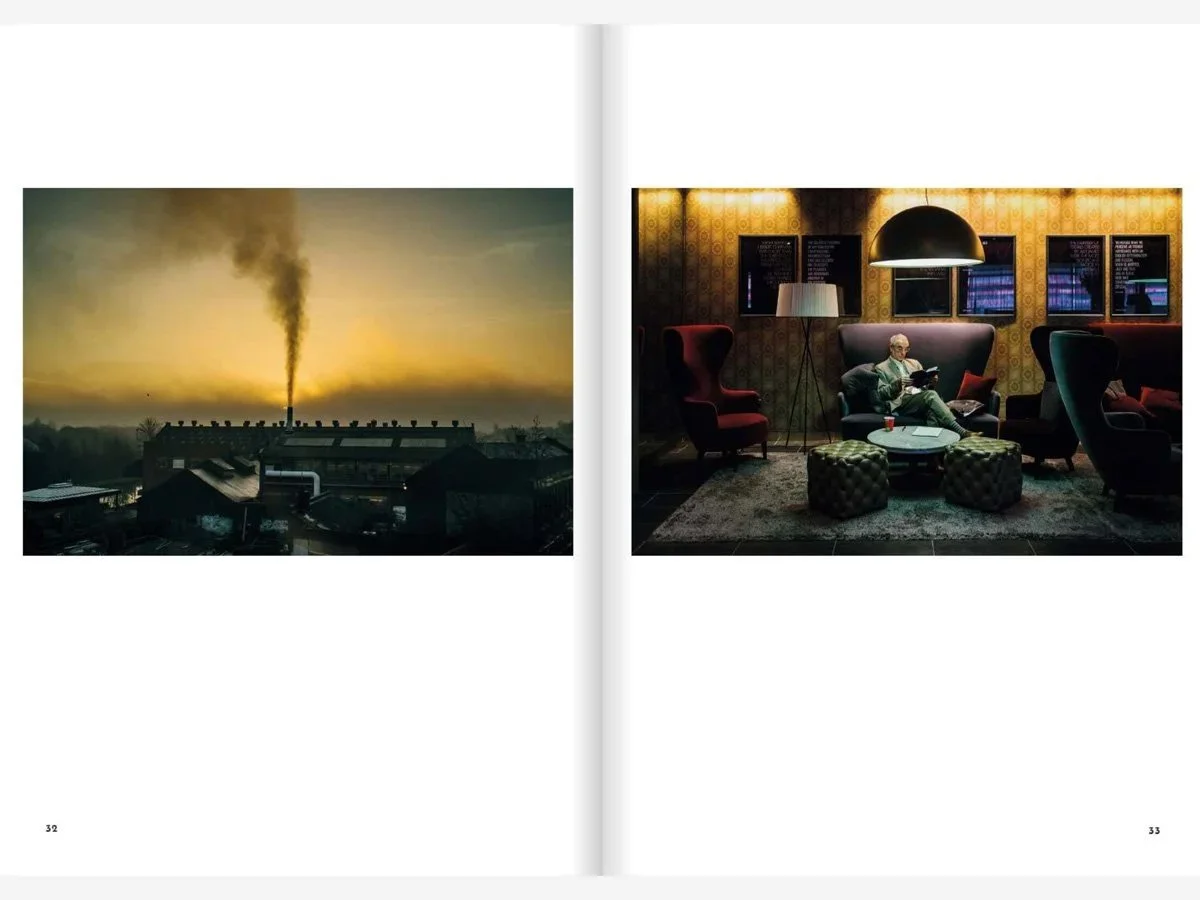
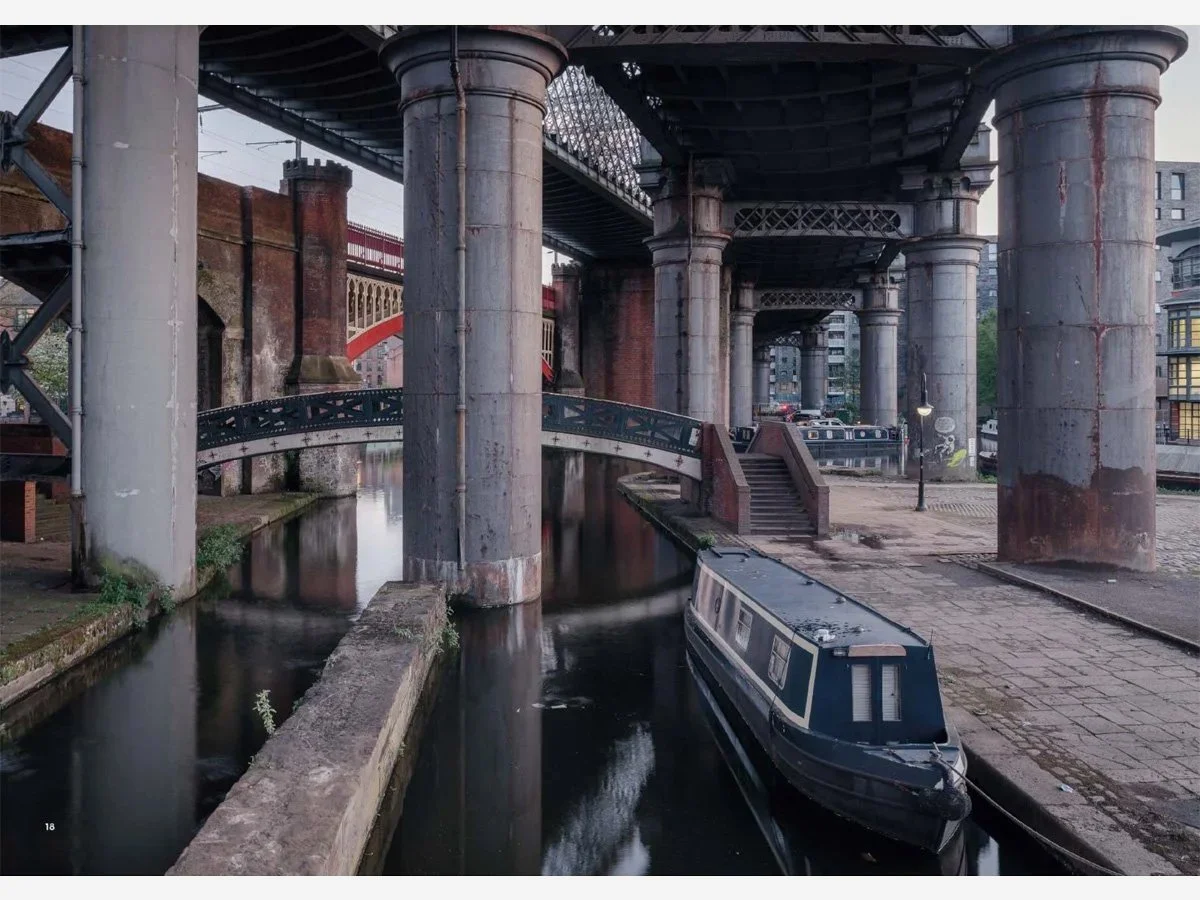
David suggested a focus on my work within England, my adopted home. This provided a wonderful opportunity to look back through my archives and curate years of images. While the zine features work from across the UK, it focuses primarily on Manchester (my hometown), London, and the North East.

While much of the work fits into the street photography genre, I felt it was important to include my more recent stylistic shift toward New Topographics and industrial landscapes. The final sequencing successfully blends these two approaches, showcasing the variety and different eras of my photographic journey here in England.

The photozine is available now via Bump Books. I also encourage you to explore their full collection, which features an incredible array of photographers and projects.
Chennai — Rhythm by the Sea

I had heard great things about Chennai, and it didn’t disappoint. What drew me in most was Marina Beach—a vast, seemingly endless stretch of white sand running along the city. This isn’t a “beach” in the Western sense. It’s not about sunbathing or swimming. It’s a social space. A living, breathing extension of the city. Every evening, the beach fills with life—families, friends, workers unwinding after long days. Food stalls line the sand. Children play. Horses offer rides. Local photographers print instant portraits. And then, of course, there are the cows—wandering freely, sacred and completely at ease, adding to the beautiful unpredictability of it all.

For photography, it was a goldmine.

The coastline also supports a strong fishing community. Fishermen head out in the middle of the night and return in the early hours, creating constant movement and opportunity. Further south, entire neighbourhoods revolve around this rhythm—nets, boats, markets, and daily life unfolding in raw, unfiltered ways.

Chennai is vast, though, and the heat dictates everything. Shooting windows were narrow: early morning from 6:00 to 9:00, and late afternoon from around 15:00 until sunset. Finding the right places at the right times became essential. One place that stood out immediately was Parry's Corner. Hectic, intense, and overflowing with photographic opportunities at every turn, it felt like anything could happen at any moment. At one point, we found ourselves completely stuck—unable to move—caught in a standstill of people, tuk-tuks, trucks, cars, and even cows all competing for space. These moments can take time and test your patience, but they also create something unique: strange, unpredictable situations that often work in your favour if you’re ready to observe and react.

Mornings were for markets.

Koyambedu Market—one of the largest perishable goods markets in Asia—was chaotic, frenetic, and overwhelming in the best way. But the real highlight for me was Kasimedu Fish Market. The sheer intensity of activity at dawn—workers shouting, fish being unloaded, buyers negotiating—created incredible scenes. It was visually rich, but also challenging. So much was happening at once that isolating moments required total focus.

As always in India, the people made the experience. Curious, warm, and open—conversations started easily, and it wasn’t uncommon to end up taking selfies with complete strangers.

Tirupati — Movement and Scale

From Chennai, we travelled north and inland to Tirupati, in the state of Andhra Pradesh. This was a completely different experience. Tirupati isn’t on the typical tourist map, and during our three days there, we didn’t see a single Western traveller. The town exists primarily as a gateway to Tirumala Temple, one of the most important Hindu pilgrimage sites, dedicated to Venkateswara. Because of this, the town is in constant motion. Pilgrims arrive and depart at all hours, creating a continuous flow of human activity. For street photography, that meant there was always something happening.

One of the most striking features of Tirupati is a massive elevated motorway cutting through the city. Photographing it from below, I was drawn to the contrast—monumental infrastructure towering over everyday life. It felt symbolic of modern India: a country evolving rapidly, where scale and human intimacy coexist in fascinating ways.

Bus and train stations became key locations—crowded, noisy, unpredictable. Classic Indian energy, but without the filter of tourism.

We also visited Tirumala itself, though photography wasn’t allowed. That restriction wasn’t just limited to the temple—it was something that shaped the entire trip. Unlike my previous visit to India, where religion played a significant role in my work, this time I found myself completely unable to photograph within Hindu religious spaces. In the end, that worked in my favour. It pushed me away from familiar visual narratives and fully into the streets, focusing on everyday life instead. The result felt more honest, less expected, and ultimately more aligned with how I wanted to document this journey.

Pondicherry — Celebration and Contrast

After Tirupatu, Jure continued on to Sri Lanka, while I headed south to Pondicherry. Often called the “French Riviera of the East,” Pondicherry is known for its colonial architecture, pastel villas, and relaxed coastal atmosphere. I was initially sceptical—places that feel too touristic can sometimes lack photographic depth.

But once again, India proved me wrong. Yes, it’s touristy—but mostly for locals. And that makes all the difference. Life spills onto the streets and coastline. The rocky beachfront becomes a gathering place every evening, with families sitting together, eating street food, and watching the sea. There’s a softness to the rhythm here, but still plenty of visual energy, full of colour.

On my first evening, two major events collided. It was International Women's Day, with parades and celebrations moving through the streets. Later, crowds began gathering in a central square. Giant screens had been set up for a cricket final between India and New Zealand. What followed was amazing! Flags waving, people shouting, strangers celebrating together—pure collective emotion. When India won, the entire space erupted. For a photographer, moments like that are impossible to stage and impossible to forget.

The rest of my time in Pondicherry was spent wandering—streets, beaches, quiet corners where something unexpected could happen at any moment. One standout visit was to Auroville, a utopian township founded in 1968 by Mirra Alfassa. Designed around ideas of unity and sustainability, it’s home to a diverse international community and centered around the striking Matrimandir meditation structure.

Even without participating in meditation, seeing it in person was powerful—an architectural and spiritual contrast to the chaos of the cities.

Until next time

India, once again, delivered. It’s a country of contrast, unpredictability, and constant movement—challenging at times, but endlessly rewarding. Every street offers something new, every interaction adds a layer, and every visit feels incomplete in the best possible way.

I left with full memory cards, a clearer perspective, and the same thought I had after my first trip: I’ll be back.

A Note on Gear and Simplicity

This trip was also about simplifying my process. The previous visit to India, I had travelled with a lot of equipment. This time, I stripped it back completely: one camera, one lens. I shot everything on a Fujifilm X-H2s with my trusty XF23mm lens (35mm equivalent)—the only focal length I’ve used for nearly 95% of my street photography over the years. Working with a single setup removes friction. There’s no second-guessing, no switching lenses—just reacting. It allows me to stay present and focus entirely on what’s unfolding in front of me. I did carry a backup, the Fujifilm X100F, but it never left the bag.

Previous
Previous

India, Again — Streets, Sea, and Serendipity

Next
Next

Istanbul street photography